Bruce Lee’s Jump Rope Routine: The Cardio Tool He Swore By
Bruce Lee jumped rope for 30 minutes almost every day. Here’s what he actually did with it, why he chose it over other cardio tools, and how the training logic behind it holds up today.
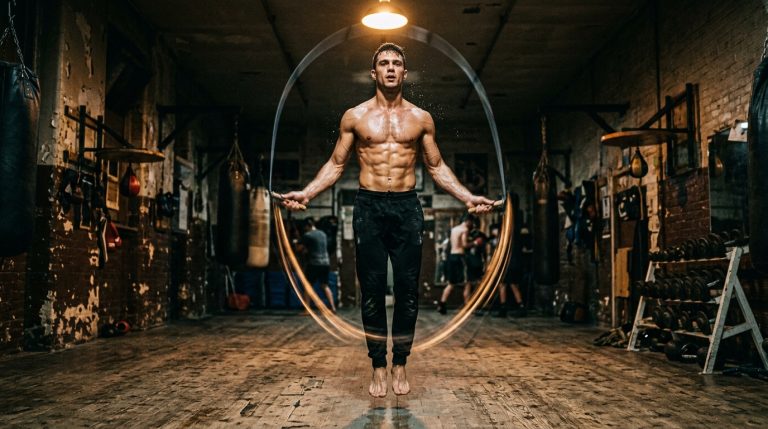
Bruce Lee jumped rope for 30 minutes almost every day. Here’s what he actually did with it, why he chose it over other cardio tools, and how the training logic behind it holds up today.
The claim that Bruce Lee invented MMA is too strong. The claim that modern mixed martial arts developed entirely independently of him is too weak (as examined in our guide to modern fighters who credit Bruce Lee). The actual relationship is specific enough to trace through individual fighters, coaches, and events, and it’s more interesting…

Our deep dive on Bruce Lee’s diet covers the broad picture: the protein shakes, the vegetables, the specific foods he favoured and avoided. What gets less coverage is the why behind the specific supplements he used and the logic that drove his nutritional choices. He wasn’t eating the way he ate because it was trendy…
People have been asking some version of this question since 1973. The internet version multiplied the asking without necessarily improving the answering. Most “train like Bruce Lee” content reduces him to a handful of exercises presented as a workout program, which misses the point completely. Lee wasn’t following a program. He was running an experiment…
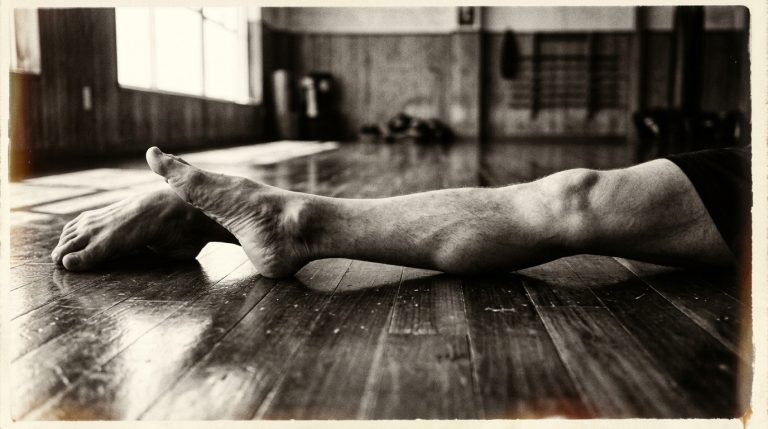
Before a training session, Bruce Lee stretched. After a training session, he stretched again. On days when injuries or scheduling compressed everything else, he still stretched. His flexibility work was the one component of his training that was genuinely non-negotiable, because he’d thought through the math: a inflexible kicker is a slower kicker, a shorter…
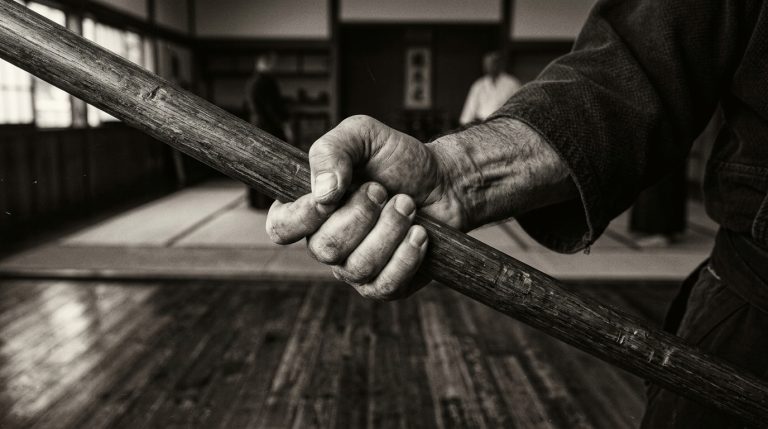
The photographs that exist of Bruce Lee’s forearms are almost uniformly startling. Taken in 1972 and 1973, during the period when he was at his physical peak, they show forearm development that looks disproportionate to his overall frame: thick, heavily veined, with the flexor and extensor muscles forming visible ridges from wrist to elbow. He…
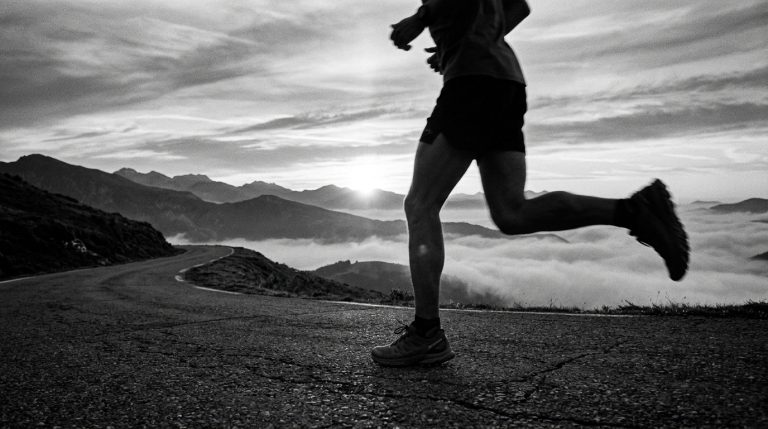
Every morning at 6 a.m., before his students arrived, before the phone started ringing, Bruce Lee ran. The route varied depending on which city he was living in, but the habit didn’t. In Seattle it was the hills above the university district. In Oakland it was the neighborhood streets before the traffic came. In Los…
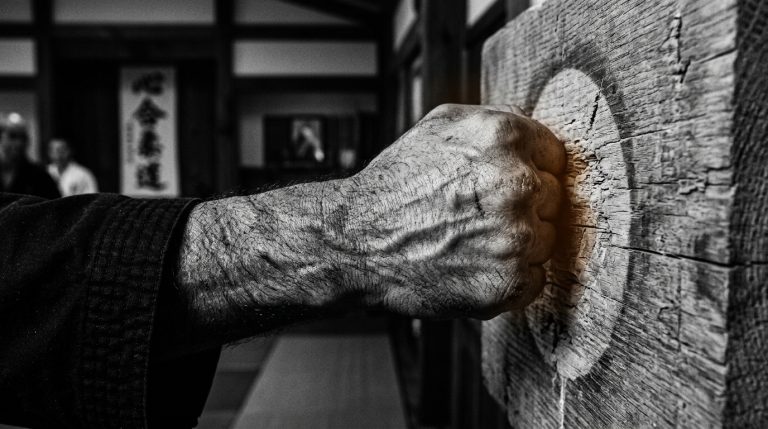
In 1965, an obscure magazine called Black Belt published a brief profile of a 24-year-old martial arts instructor working out of Oakland. The article is mostly forgettable, a standard profile of a local teacher. But there’s one line where Bruce Lee describes a punch he can deliver from one inch away with enough force to…
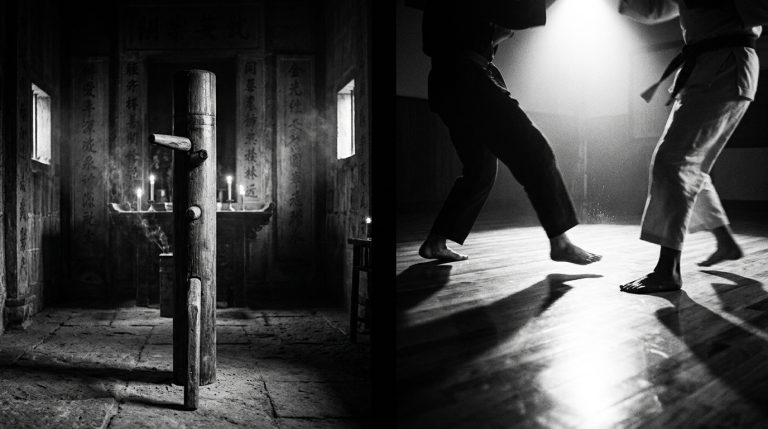
Bruce Lee’s break with Wing Chun is one of martial arts history’s most instructive ruptures. He didn’t abandon the system dramatically or publicly denounce Ip Man. He simply started removing the parts that didn’t work under real fighting conditions, and once he started removing things, he found he couldn’t stop. By the time the process…
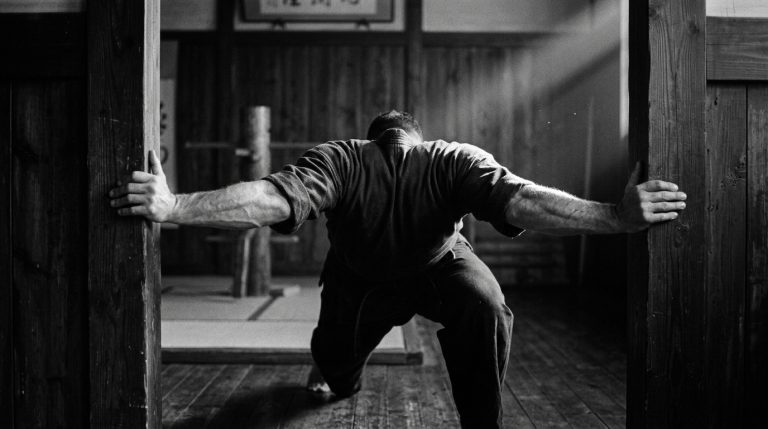
Somewhere in Bruce Lee’s Oakland home in the mid-1960s, he was pressing his palms against a wall with everything he had. Not pushing it over. Not expecting it to move. Just straining against it, holding the contraction, and letting the tension do the work. This was isometric training, and Lee became one of its most…